01Material
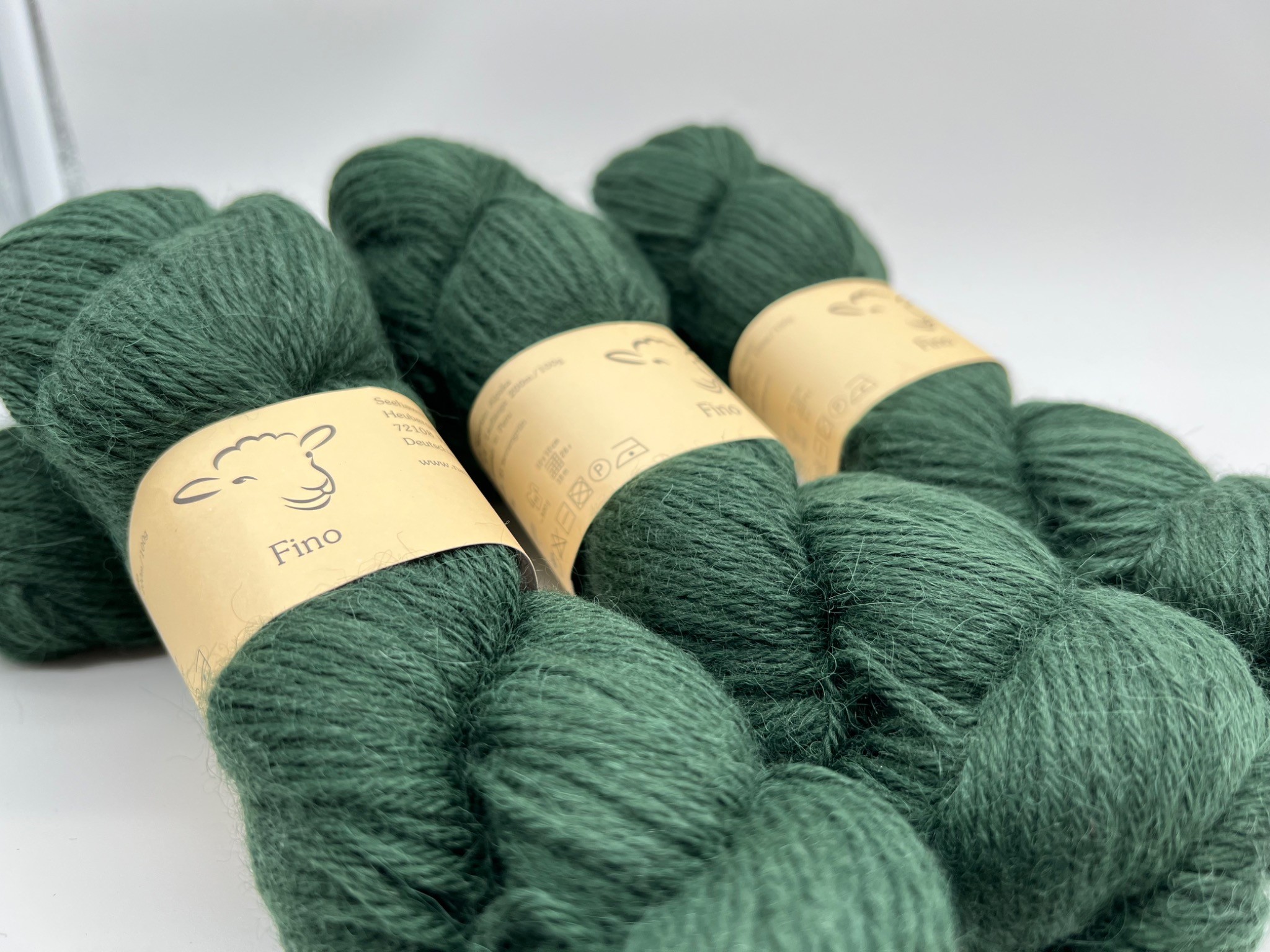
It all starts with the alpaca wool.
Material and shade are selected and prepared for processing. From these wool strands, each KNITSCHI piece will later be created.
Hat and 2-in-1 solution start with the same yarn and the same knitting technique. Only during finishing do they become two different products.
I select the yarn color, wind the skein into a ball, and process the yarn on the knitting machine. Until the finished cuff, hat and 2-in-1 solution go through the same path.
After that follow the manual steps that turn the knitted piece into a finished KNITSCHI item: shaping, connecting stitches, sewing, marking, and inspecting.
Material and shade are selected and prepared for processing. From these wool strands, each KNITSCHI piece will later be created.
The strand is stretched and wound by hand. This allows the yarn to be processed evenly and without interruption on the knitting machine.
The prepared yarn is processed on the knitting machine. It produces the even rib pattern and the long basic shape, from which a hat or a 2-in-1 solution will later be made.
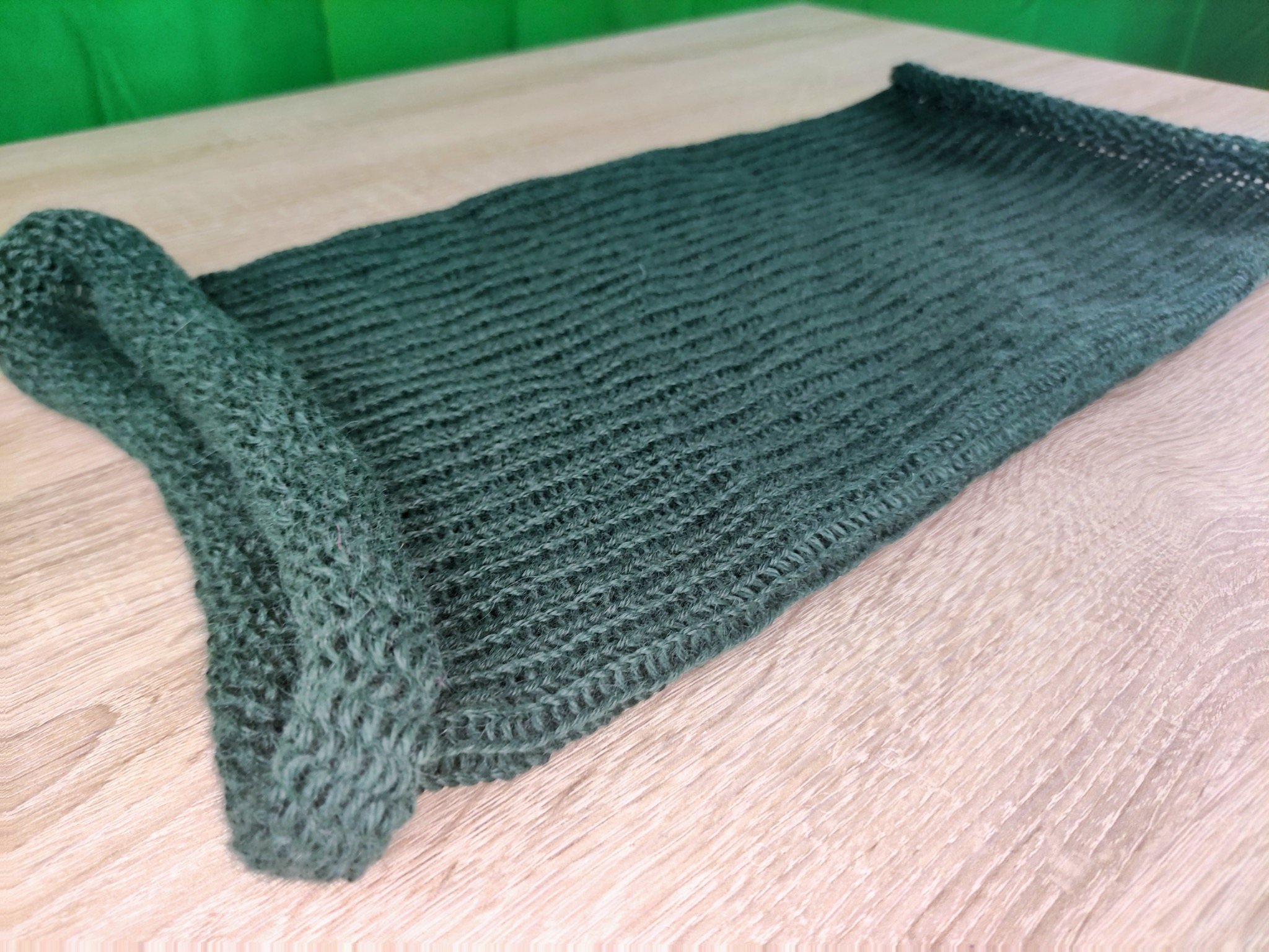
After knitting, a long cuff lies before you. It already shows color and stitch pattern, but still needs several careful work steps before it can be worn.
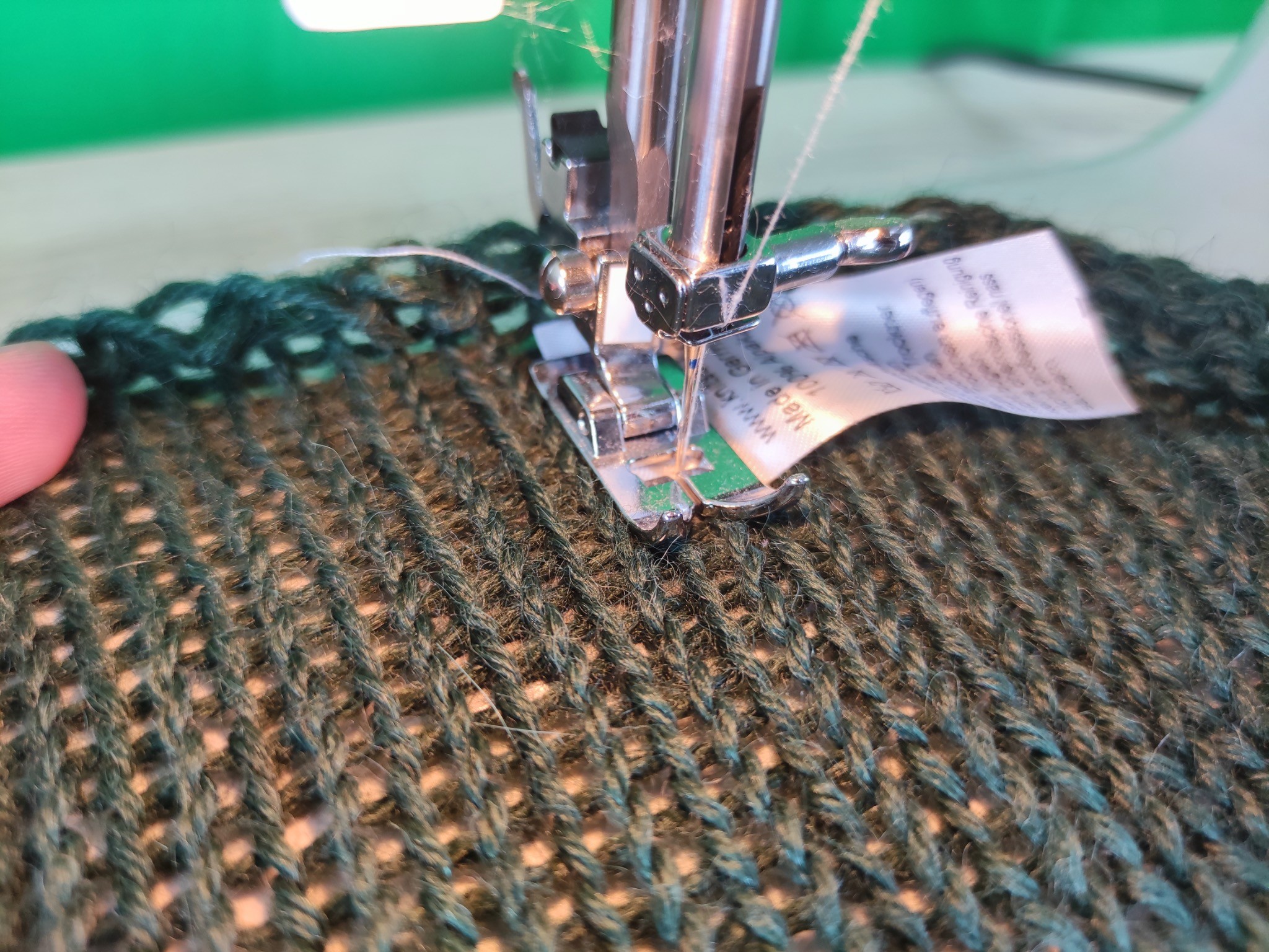
Even small details are part of handcraft. The care label is carefully inserted and the knitted piece is prepared for further processing.
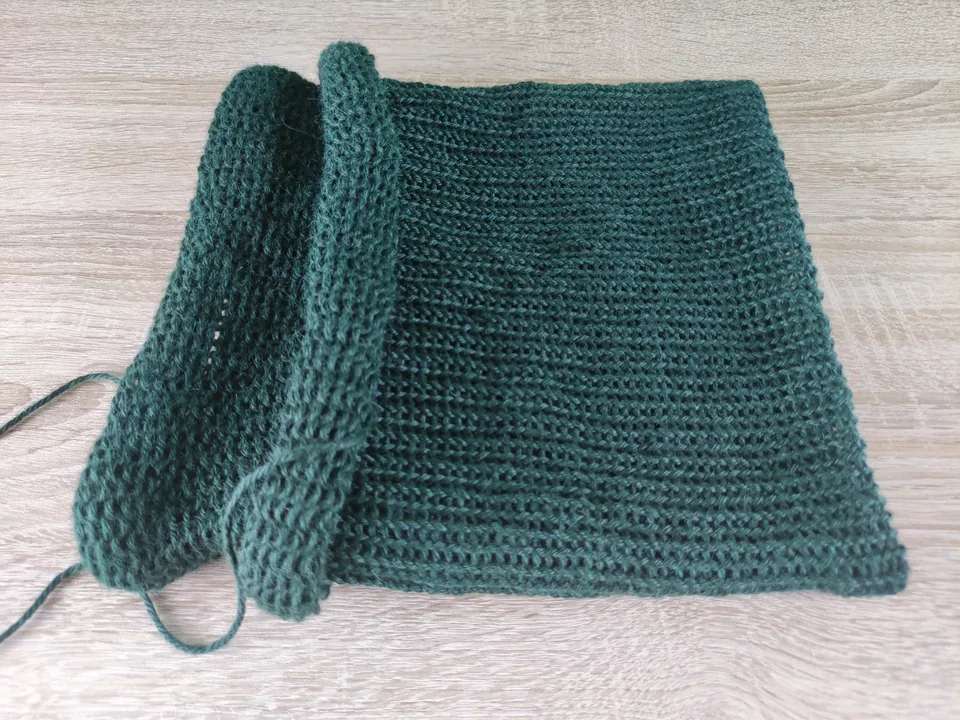
Up to this point, both products are created the same way. Now the further processing decides: For the hat, the shape is built up and sewn, for the 2-in-1 solution, the open stitches are connected.
The first six steps are completed. Now choose the product path you want to continue.
The cuff is shaped, built up in double layers, and carefully sewn. In the end, I check the stitch pattern, seams, and execution.
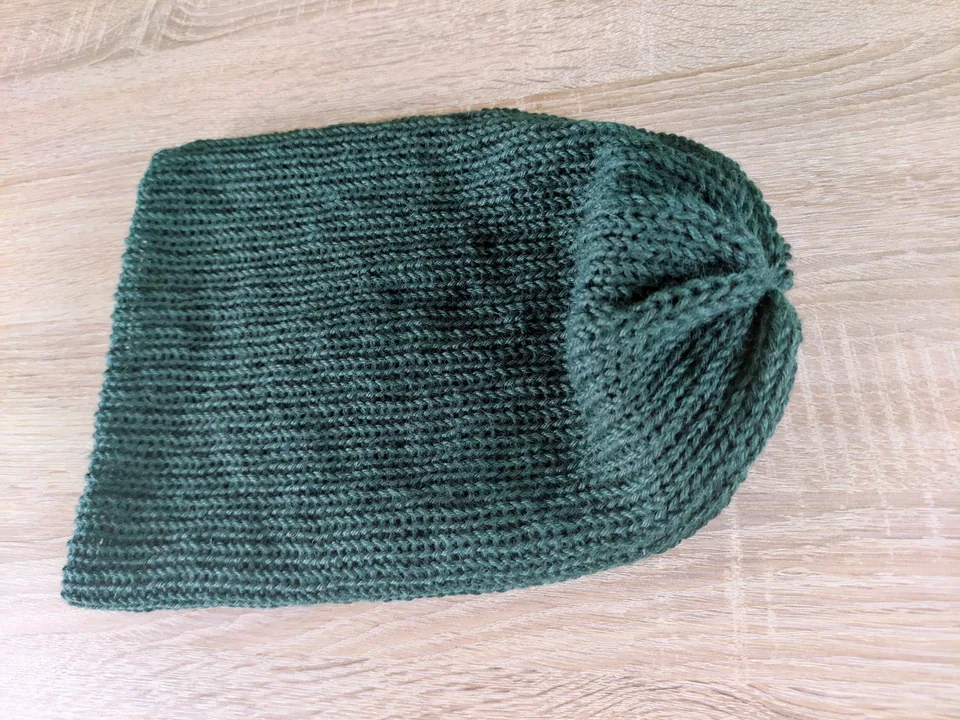
Through careful joining and sewing, the typical hat shape is created. The double-layered knit gives it shape and a protected wearing feel.
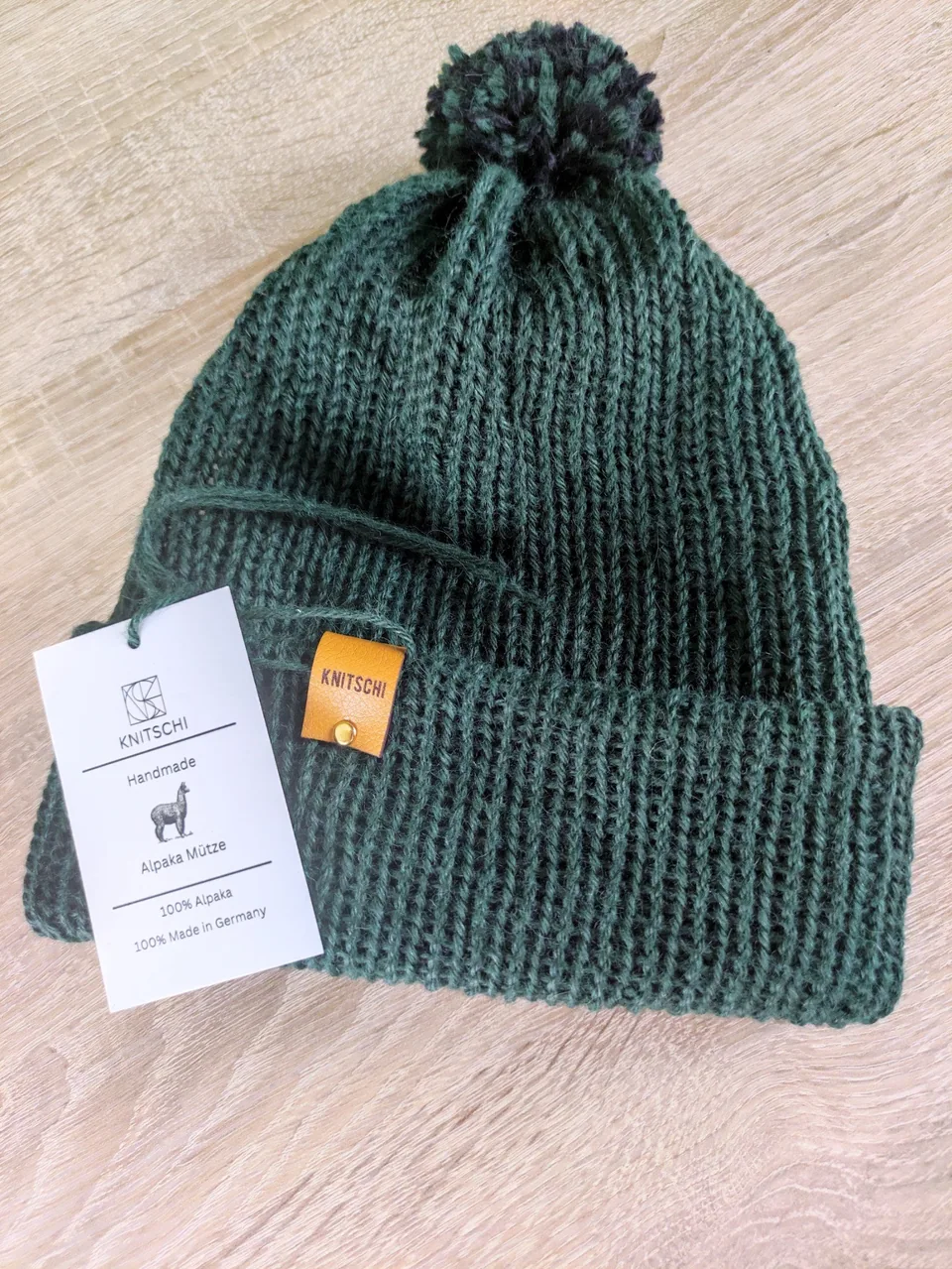
After shaping and finishing touches, the stitch pattern, seams, and workmanship are checked. Only then is the hat fully completed.
Here the knitted piece remains open at first. Only the careful joining of the stitches transforms it into the versatile 2-in-1 solution.
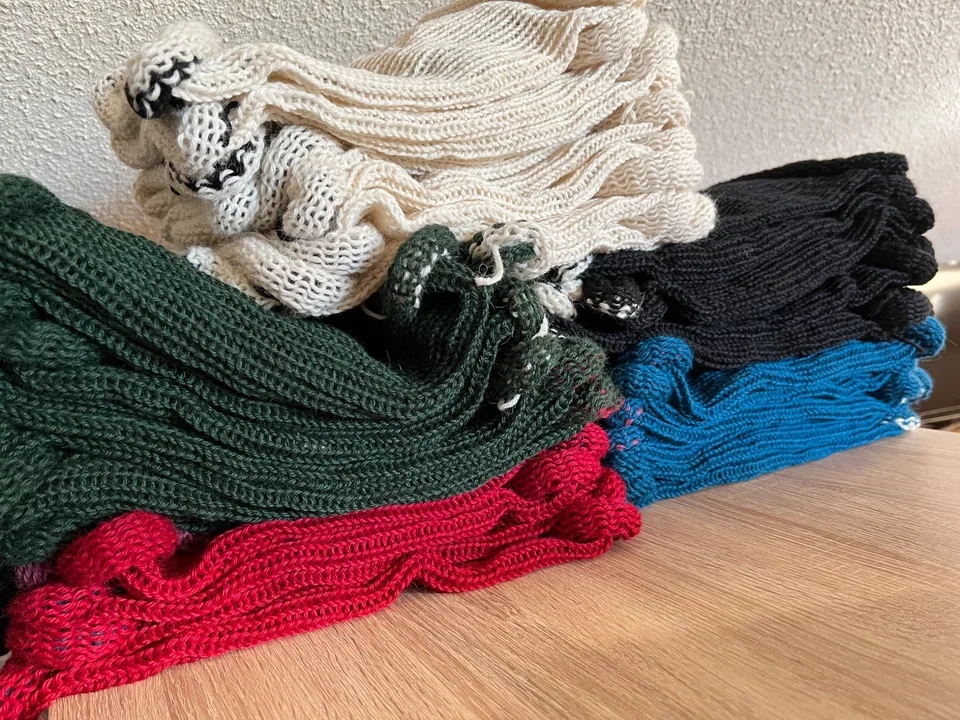
The knitting already has its final stitch pattern and the correct length, but it is still open and therefore not yet a finished loop.
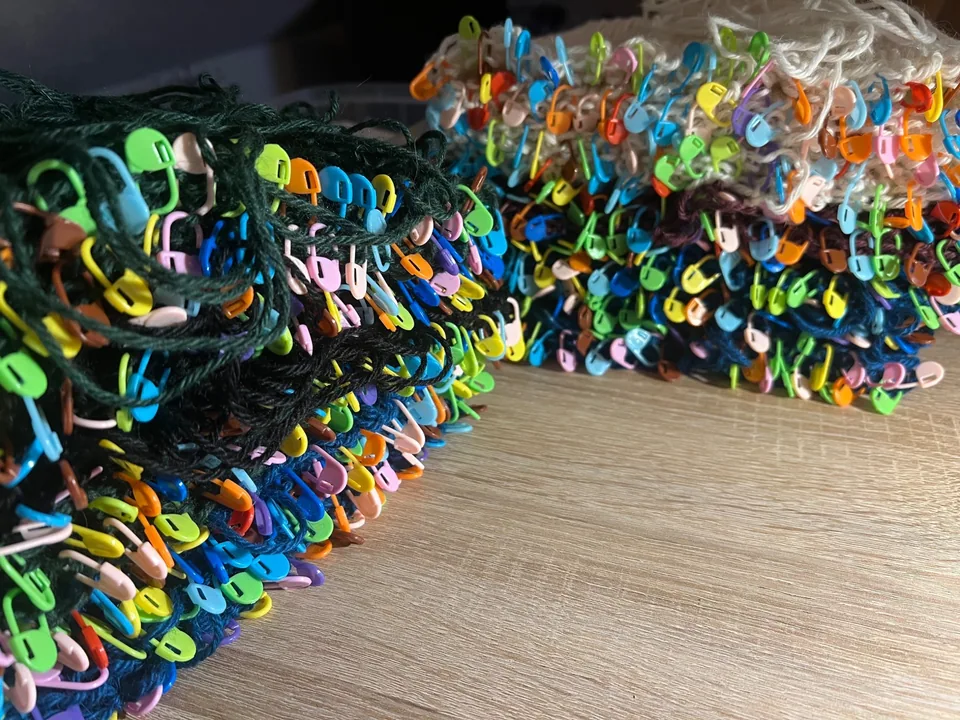
The stitches are marked individually and then connected stitch by stitch. This keeps the connection clean and elastic.
After connecting and quality control, the piece can be worn as a loop. Folded over and pulled up, the same product becomes a wide headband.
Both products combine even knitting on the machine with careful finishing and personal quality control. Why knitting technology has such a long tradition specifically in Chemnitz is shown by the documented journey through the city's textile history.